Updated August 2026
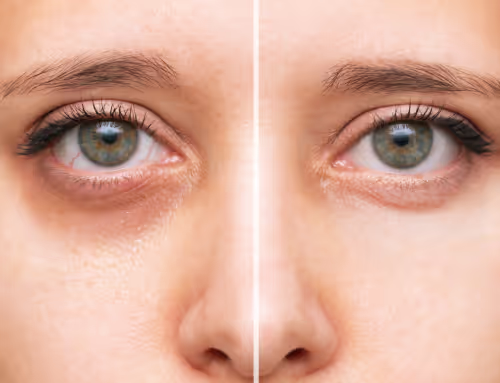
You wash your face, moisturize religiously, and still catch yourself wondering why your skin looks tired, textured, or congested. If that sounds familiar, you're far from alone. Dull, bumpy, or clogged skin is one of the most common frustrations we hear from clients at our Costa Mesa location, and it usually isn't solved by simply switching cleansers again.
The truth is that skin texture problems build up over time, layer by layer, and often need more than surface level products to resolve. That's where finding the best chemical peel for your specific concern makes such a meaningful difference. Not all peels are created equal, and matching the right formula to your actual skin issue is what separates a quick refresh from a real transformation.
Let's walk through what's really behind dull, congested, and rough textured skin, what your options look like once you decide to see a professional, and how the right peel can help turn things around for good.
Skin texture concerns usually come down to a buildup of something, whether that's dead skin cells, excess oil, or old scar tissue that never fully resolved. Identifying which one applies to you is the first step toward choosing the right treatment.
As we age, the skin's natural exfoliation process slows down. Dead cells that would normally shed on their own start to linger on the surface, creating a dull, almost gray cast and a rough, uneven feel. This is one of the most common and most fixable causes of textural dullness, and it responds particularly well to consistent professional exfoliation.
Excess oil production combined with trapped debris can lead to visibly enlarged pores and small, persistent bumps, sometimes called congestion, even without full blown breakouts. This is especially common along the nose, chin, and forehead, and it tends to be more stubborn than dullness alone.
Textural irregularities like shallow pitting or raised scar tissue from past breakouts can leave the skin feeling uneven long after acne has cleared. These marks respond differently than pigment issues and often need a treatment that encourages deeper cell turnover rather than surface exfoliation alone.
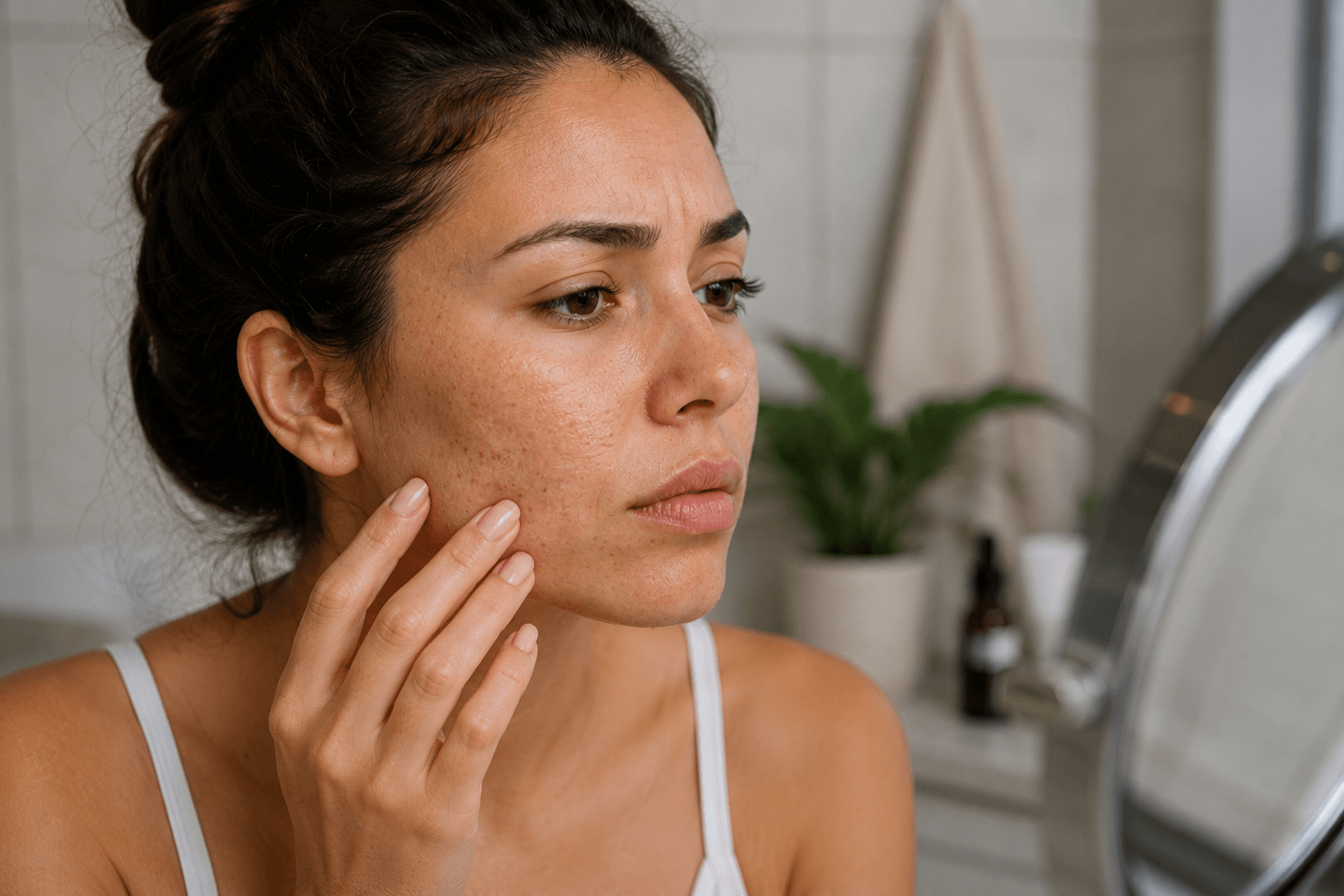
Years of UV exposure thicken and roughen the outer layer of skin while breaking down the collagen that keeps it smooth and bouncy. This combination is a major reason textured, sun exposed skin often looks older than it is, and it's a concern we see often given Costa Mesa's year round sunshine.
Over the counter exfoliants and retinol creams can help with mild dullness, but if you've been consistent with a home routine for several months without real improvement, it's usually a sign your skin needs something with more clinical strength behind it. Persistent congestion, visible scarring, or texture that seems to be getting worse rather than better are all good reasons to book a consultation rather than keep experimenting on your own.
This is where a lot of people get stuck, because not every peel targets the same problem, and the wrong choice can leave you disappointed or, worse, irritated.
Lighter peels using glycolic or lactic acid are often ideal for surface level dullness. They speed up cell turnover gently, revealing brighter, smoother skin with minimal downtime, which makes them a popular option for people who want quick, refreshing results before an event or as part of a regular maintenance routine.
Salicylic acid based peels are particularly effective for oily and acne prone skin because the ingredient is oil soluble, meaning it can penetrate deeper into clogged pores to clear out debris and calm inflammation at the same time.
For more stubborn textural concerns like acne scarring, a stronger peel such as trichloroacetic acid may be recommended, sometimes as part of a longer term plan that also includes complementary treatments like microneedling.
Yes. At Belle Vie, we also offer biorepeel, a modern peel option designed to refresh and brighten skin with minimal peeling or visible recovery, which makes it a favorite for clients who want results without disrupting their week. If you're trying to decide between the two, our comparison article on VI Peel versus Biorepeel breaks down which one tends to suit which skin concern.
During your treatment, a solution is applied to clean skin and left on for a specific amount of time based on the type and strength chosen for you. Most clients feel a light tingling or warming sensation rather than discomfort. Afterward, skin may appear slightly pink, followed by mild flaking or peeling over the next several days depending on peel depth. Our providers always walk clients through detailed aftercare so you know exactly what's normal and what to watch for, and our article on how long recovery takes after a chemical peel covers the general timeline in more depth.
Most skin types and tones can benefit from a properly chosen peel, but ideal candidates are generally dealing with dullness, congestion, mild acne scarring, or early texture changes from sun exposure. If you have active cystic breakouts, certain skin conditions, or are pregnant, your provider may suggest waiting or trying a gentler alternative like a hydrafacial in the meantime.
Many clients find the best long term results come from combining treatments rather than relying on peels alone. For deeper collagen support and firmness alongside improved texture, treatments like Morpheus8 or rf microneedling can complement a peel series particularly well. Our team can build a layered plan tailored to whether your main concern is surface texture, deeper scarring, or overall skin firmness, and you can explore our complete menu of skin care services to see how everything fits together.
Between the coastal sun, salt air, and warmer climate, Costa Mesa skin tends to experience more oxidative stress and oil production than skin in cooler, drier regions. That means texture concerns can develop a bit faster here, and a treatment plan that accounts for your everyday environment tends to perform better than a generic routine.
At Belle Vie, our estheticians take the time to assess your skin type, lifestyle, and goals before recommending which peel formula and strength fits you best. You can get to know the providers behind that process on our team page.
How do I know which chemical peel is the best one for me? The best chemical peel depends on your specific concern, whether that's dullness, congestion, or scarring. A consultation helps match the right acid type and strength to your skin's actual needs.
Do chemical peels help with acne scars? They can improve mild to moderate texture from acne scarring, though deeper pitted scars often respond best when a peel is combined with a treatment like microneedling.
How often should I get a chemical peel? Most people benefit from a series spaced three to four weeks apart, though frequency depends on your skin goals and how your skin responds to treatment.
Is there a peel with no downtime? Yes, options like biorepeel are designed to refresh skin with minimal visible peeling, making them a good fit for busy schedules.
Can chemical peels make oily skin worse? No, when the right formula is chosen. In fact, salicylic acid based peels are specifically known for helping regulate oil and clear congestion.
Dull, rough, or congested skin doesn't have to be your new normal. Once you understand what's actually causing your texture concerns, choosing the right peel becomes far less confusing and far more effective.
If you're in Costa Mesa and want a plan built around your actual skin rather than guesswork, our team at Belle Vie is ready to help. Visit our chemical peels service page or reach out through our contact page to schedule your consultation.
%201.avif)
Beauty Vault membership
100% of your membership dollars banked for your treatments. A complimentary welcome Hydrafacial or Microneedling when you join. A treatment gift certificate for someone you love.*
Compare plans & gifts ↗*Gifts vary by membership tier. Friend gift available after your third paid month for one friend or family member new to Belle Vie. Active membership required. Eligible treatments and membership terms apply. Compare plans for all gift choices.

.svg)
.svg)
.svg)
.svg)