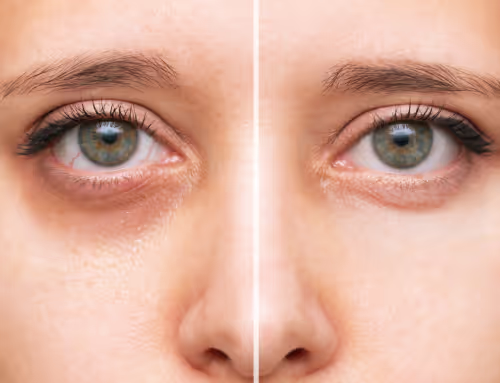
If you just had a microneedling treatment and your skin suddenly feels rough, looks darker, starts peeling, or appears worse than before, don't panic. These changes are often part of the normal healing process.
Many people expect glowing skin immediately after treatment, but the reality is that your skin needs time to repair itself. During this recovery phase, it's common to notice redness, swelling, dryness, flaking, and temporary texture changes before healthier skin begins to emerge.
Understanding proper post microneedling care can help you heal more comfortably while protecting your results. In this guide, we'll explain exactly what's happening beneath the surface, when these changes should improve, and when it's time to contact your provider. We'll also discuss what to expect from professional microneedling in Costa Mesa and how experienced providers can help you achieve smoother, healthier-looking skin.
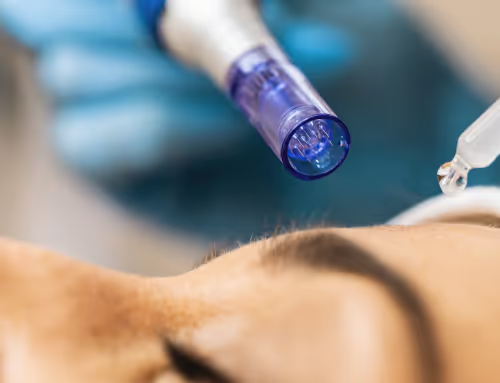
Microneedling intentionally creates microscopic channels in the skin. These controlled injuries stimulate your body's natural healing response, encouraging collagen and elastin production.
During the first several days, your skin focuses on repairing itself rather than looking its best. That temporary inflammation is actually a sign that your body has begun rebuilding healthier tissue.
Depending on your skin type and treatment intensity, you may notice:
Most of these reactions improve gradually over the first week.
A rough or sandpaper-like texture is one of the most common concerns after treatment.
Your skin is producing fresh cells while pushing older, damaged skin toward the surface. This creates a temporary uneven texture that many patients mistake for a poor result.
You may also experience:
Avoid the temptation to scrub your face or use exfoliating products. Let the old skin shed naturally.
Usually, roughness begins improving within several days as new skin replaces the old surface.
Yes.
Peeling is your skin's natural way of removing damaged outer layers after treatment.
Not everyone peels the same way. Some people notice visible flakes, while others simply experience dryness that resolves without obvious peeling.
Your skin may peel because:
During this time:
Prematurely removing peeling skin can increase irritation and delay healing.
Temporary darkening surprises many first-time patients.
After microneedling, inflammation can temporarily increase pigment production, especially in individuals with medium to darker skin tones.
You may notice:
Fortunately, this is often temporary.
As inflammation decreases and fresh skin develops, the darker appearance usually fades.
The most important thing you can do is protect your skin from UV exposure. Even brief sun exposure during healing can worsen pigmentation.
Daily sunscreen is essential, even on cloudy days.
Swelling typically peaks during the first 24 to 48 hours.
This is a normal inflammatory response that helps your body begin tissue repair.
Most patients experience:
Healing timelines vary depending on:
Deeper treatments naturally require more recovery time.
While most post-treatment symptoms are expected, certain signs deserve prompt medical attention.
Contact your provider if you notice:
It's always better to ask questions than ignore symptoms that seem unusual.
Your provider can determine whether you're experiencing normal healing or something that requires treatment.
Following proper post microneedling care can improve comfort and support healthy recovery.
Use only gentle cleansers recommended by your provider.
Avoid:
Hydrated skin heals more efficiently.
Use a gentle moisturizer that supports the skin barrier without irritating freshly treated skin.
Freshly treated skin is much more vulnerable to UV damage.
Wear:
Avoid prolonged direct sunlight during recovery.
Many providers recommend avoiding makeup for at least 24 hours, or longer depending on your treatment.
Giving your skin time to breathe reduces irritation and lowers the risk of introducing bacteria into healing microchannels.
For the first day or two, try to avoid:
Excess heat can prolong redness and inflammation.
Drinking plenty of water supports your body's natural healing processes and helps maintain healthy skin hydration.
Choosing an experienced provider is just as important as following good aftercare.
Professional microneedling in Costa Mesa begins with a personalized consultation that considers your skin type, concerns, medical history, and treatment goals. An experienced provider can also guide you through realistic recovery expectations and provide customized aftercare recommendations based on your individual needs.
At Belle Vie Medical, patients receive personalized aesthetic care designed around their unique skin concerns. If you're considering microneedling or have questions about what to expect after treatment, scheduling a consultation with a qualified provider can help you determine the most appropriate approach for your skin.
Most people complete the initial healing phase within five to seven days, although collagen production continues for several weeks after treatment.
Most providers recommend waiting until the evening of treatment or the following day before gently cleansing your skin. Always follow your provider's specific instructions.
Some patients experience temporary breakouts as the skin heals. These usually improve on their own if proper aftercare is followed.
Initial improvements may appear within a few weeks, while collagen remodeling continues for several months after treatment.
Many skin types can benefit from microneedling when treatment is performed by an experienced provider. During a consultation, your provider can determine whether the procedure is appropriate for your skin concerns and goals.
It can feel discouraging when your skin looks rough, darker, or more irritated after treatment, but these temporary changes are often signs that the healing process is underway. Understanding what to expect and following proper post microneedling care can make recovery much less stressful while helping you achieve the smoother, healthier-looking skin you're working toward. With patience, consistent aftercare, and guidance from an experienced provider, today's temporary downtime often becomes tomorrow's noticeable improvement.
%201.avif)
Beauty Vault membership
100% of your membership dollars banked for your treatments. A complimentary welcome Hydrafacial or Microneedling when you join. A treatment gift certificate for someone you love.*
Compare plans & gifts ↗*Gifts vary by membership tier. Friend gift available after your third paid month for one friend or family member new to Belle Vie. Active membership required. Eligible treatments and membership terms apply. Compare plans for all gift choices.

.svg)
.svg)
.svg)
.svg)