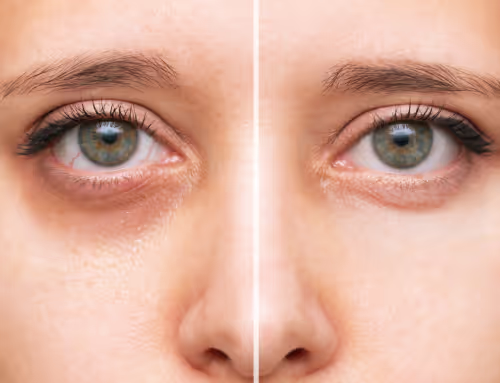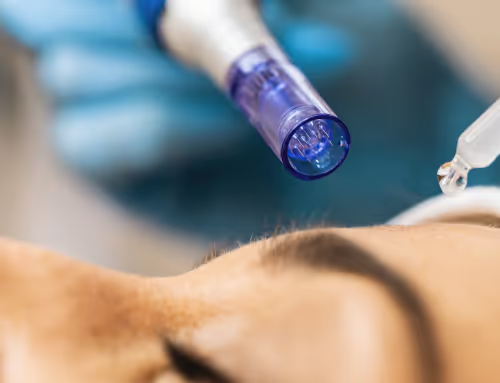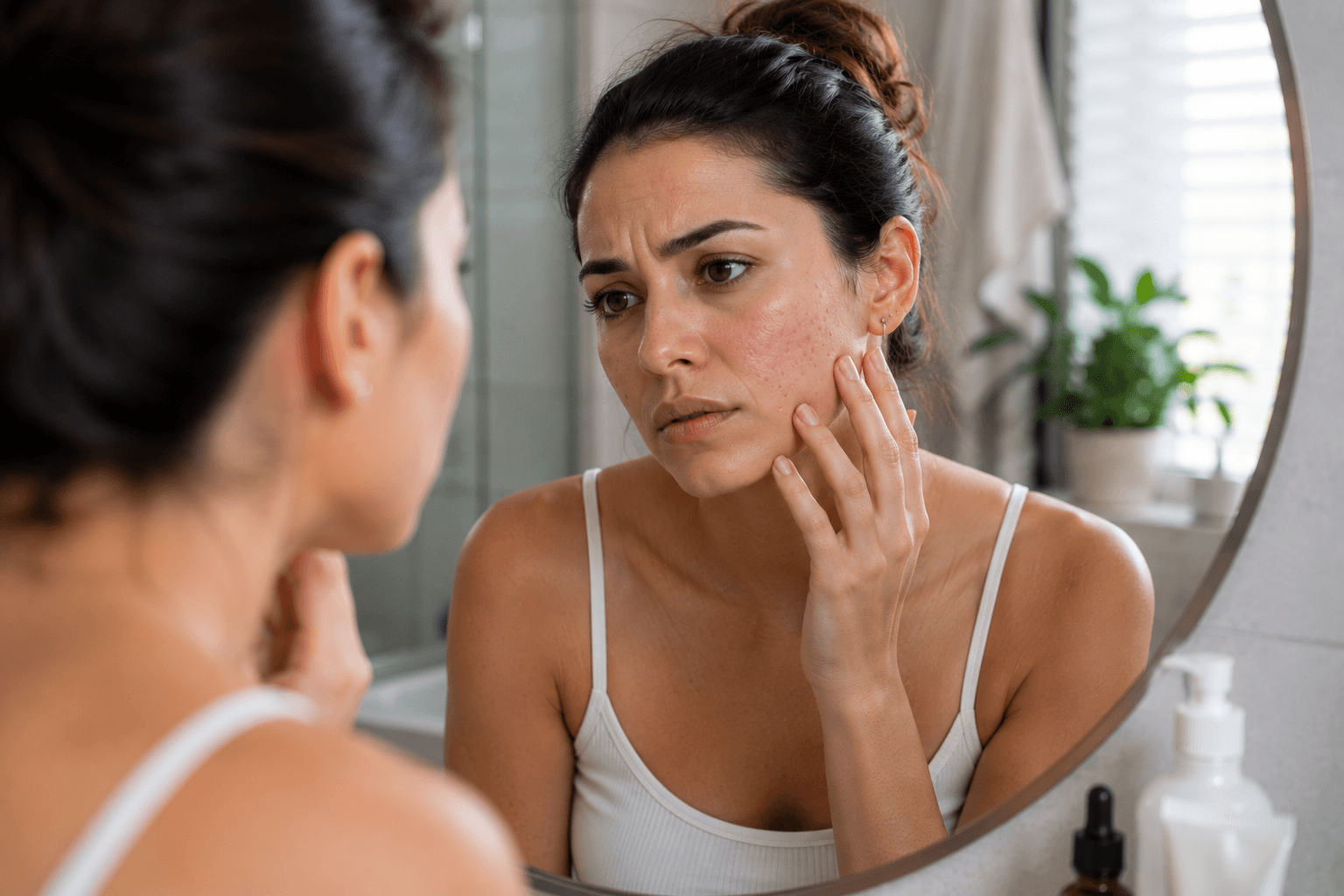
Most people expect microneedling recovery to follow a predictable timeline, a little redness, some mild flaking, and back to normal within a few days. But if your recovery seems to be taking longer than what you read online, there is likely a reason, and it usually has less to do with the treatment itself and more to do with what your skin was already dealing with beforehand.
If you searched "post microneedling care" because your healing process feels slower or different than expected, this guide breaks down the underlying skin conditions that can affect recovery time, along with what to do about it. Updated this month to reflect current best practices for anyone in Cerritos navigating their healing timeline.
Microneedling triggers a healing response, and how quickly and smoothly that response unfolds depends heavily on the condition of your skin before treatment even began. Two people can receive the exact same treatment settings and have noticeably different recovery experiences simply because their skin started from a different baseline.
Rosacea causes chronic inflammation and heightened reactivity in the skin, which means the controlled inflammation from microneedling can sometimes take longer to settle compared to skin without an inflammatory condition. Clients with rosacea often need a gentler treatment approach, including reduced needle depth and a more conservative aftercare routine, to avoid prolonged flushing or irritation.
Sticking to fragrance-free, barrier-supportive products, avoiding heat exposure like saunas or hot showers, and giving skin extra time between sessions can all help manage recovery for rosacea-prone clients. A provider familiar with your history can also adjust future treatments based on how your skin responded the first time.
Yes, eczema and other conditions that affect the skin barrier can make recovery slower and more sensitive overall. A compromised barrier struggles to retain moisture and defend against irritation, both of which are important during the healing window after microneedling.
In many cases, yes, particularly if the eczema is well managed and not actively flaring at the time of treatment. This is exactly why a thorough skin assessment before treatment matters, since active flare ups may need to be addressed first before microneedling is recommended.
Skin with a significant history of sun exposure often has a thicker, less elastic outer layer in some areas and thinner, more fragile skin in others, which can create uneven healing patterns after microneedling. Additionally, skin with sun damage is more prone to temporary pigmentation changes during the recovery window if not properly protected.
Freshly treated skin is significantly more vulnerable to UV damage, and unprotected sun exposure during healing increases the risk of hyperpigmentation, prolonged redness, and slower overall recovery. Broad spectrum sunscreen, reapplied consistently, is one of the simplest ways to protect your results and support proper healing.
Skin that is chronically dehydrated tends to show more visible tightness, flaking, and sensitivity after microneedling compared to skin that is well hydrated. Since the healing process relies on the skin's ability to repair itself efficiently, a lack of adequate moisture can slow that process down and make recovery feel more uncomfortable than it needs to be.
Increasing water intake, using a gentle hyaluronic acid serum, and avoiding harsh cleansers in the days surrounding your appointment can all help your skin retain the moisture it needs to heal efficiently.
As skin ages, cell turnover naturally slows down, which can extend the visible healing timeline slightly compared to younger skin. This does not mean older skin cannot achieve excellent results from microneedling, it simply means patience and consistent aftercare become even more important parts of the process.
Yes, and this is often overlooked. Retinoids, exfoliating acids, and certain acne medications can increase skin sensitivity and slow the healing process if not paused appropriately before and after treatment. Blood thinning medications and supplements can also increase the likelihood of bruising or prolonged redness.
Most providers recommend pausing retinol and other strong actives for several days before and after treatment to reduce the risk of excessive irritation and to give your skin barrier the best chance to heal without added stress.
A solid aftercare routine typically includes gentle, fragrance-free cleansing, a hydrating and barrier-supportive moisturizer, diligent daily sunscreen application once your provider clears you for product use, and avoiding makeup, harsh exfoliants, and intense heat exposure for the first several days. The exact timeline can vary depending on your skin condition and the depth of treatment used, which is why personalized aftercare instructions matter more than generic advice found online.
At our Cerritos practice, every client receives a tailored recovery plan based on their skin history and the specifics of their microneedling session, whether that was a standalone treatment or part of a broader plan involving Morpheus8 or a complementary chemical peel.
Most recovery variations are simply a reflection of your skin's individual starting point, but certain signs should prompt a conversation with your provider, including redness or swelling that worsens after the first few days, signs of infection, or a reaction that has not improved after one to two weeks. If your healing timeline feels off compared to what you were told to expect, reaching out to our team is always the right next step rather than waiting it out and hoping it resolves on its own.
If you know you have a condition like rosacea, eczema, or chronic dehydration, being upfront with your provider before your first session allows them to adjust the treatment plan proactively rather than reactively. Building a consistent, gentle skin care routine in the weeks leading up to treatment, staying hydrated, and protecting your skin from sun exposure can all set the stage for a smoother, faster recovery once treatment begins.
Can I still get microneedling if I have a skin condition like rosacea or eczema? In many cases, yes, though your provider may adjust the treatment intensity and recommend a more conservative aftercare routine based on your specific condition.
How long should post microneedling care last? Most core aftercare guidelines apply for about five to seven days after treatment, though continuing gentle, hydrating skin care and daily sunscreen benefits your skin well beyond the initial recovery window.
Why is my skin still red after a week? While most redness resolves within a few days, certain skin conditions or increased sensitivity can extend this timeline slightly, and it is worth checking in with your provider if it persists longer than expected.
Does drinking more water actually help microneedling recovery? Yes, proper hydration supports your skin's natural repair process and can help reduce the tightness and flaking that sometimes occurs during healing.
Should I avoid the sun completely after microneedling? Direct sun exposure should be minimized as much as possible during the healing window, and consistent sunscreen use is essential any time you are outdoors.
Recovery is not a race, and understanding what is actually happening beneath the surface can turn a confusing healing process into one that makes complete sense. If your skin has unique needs or an underlying condition you want addressed before your next treatment, our Cerritos team is here to build a care plan around exactly what your skin requires. Contact us to talk through your recovery plan.
%201.avif)
BeautyVault membership
100% of your membership dollars banked for your treatments. A complimentary welcome Hydrafacial or Microneedling when you join. A treatment gift certificate for someone you love.*
Compare plans & gifts ↗*Gifts vary by membership tier. Friend gift available after your third paid month for one friend or family member new to Belle Vie. Active membership required. Eligible treatments and membership terms apply. Compare plans for all gift choices.

.svg)
.svg)
.svg)
.svg)