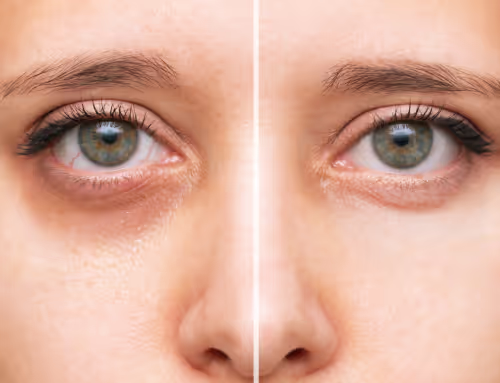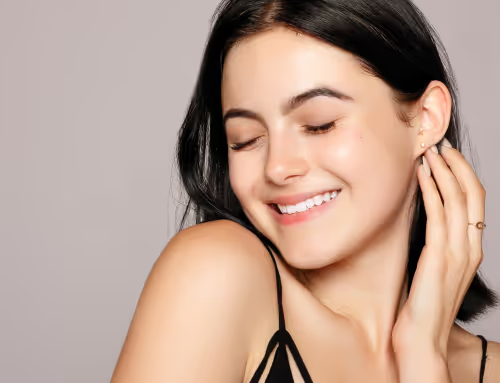
If you have ever typed "does microneedling hurt" into a search bar late at night before booking an appointment, you are not alone. It is one of the most common questions we hear at our Cerritos med spa, and the honest answer is that it depends. Pain tolerance is personal, but so is skin. Two people can sit in the same treatment chair, use the same device, and walk away with completely different experiences. The reason usually has less to do with willpower and more to do with what is actually happening underneath the surface of the skin.
Understanding why sensitivity varies from person to person can help you know what to expect, prepare properly, and feel confident walking into your appointment instead of dreading it. This guide breaks down the skin conditions and concerns that tend to influence discomfort, along with what actually happens during a session so the mystery is taken out of the process. Updated for August 2026, this guide reflects the most current techniques used in professional treatment settings.
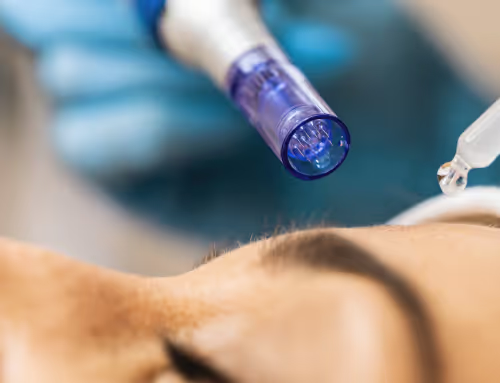
Microneedling uses a device with fine, sterile needles to create tiny, controlled punctures in the top layers of skin. Those micro injuries trigger the body's natural healing response, which includes collagen and elastin production. Over time, this process can improve the appearance of acne scarring, enlarged pores, fine lines, and uneven texture. The needles are the mechanism, not the enemy, but naturally, any mention of needles raises questions about pain.
At our practice, microneedling sessions are performed with numbing time built in and depth settings that are adjusted based on the treatment area and the client's tolerance, which is part of why the experience varies so much from one person to the next.
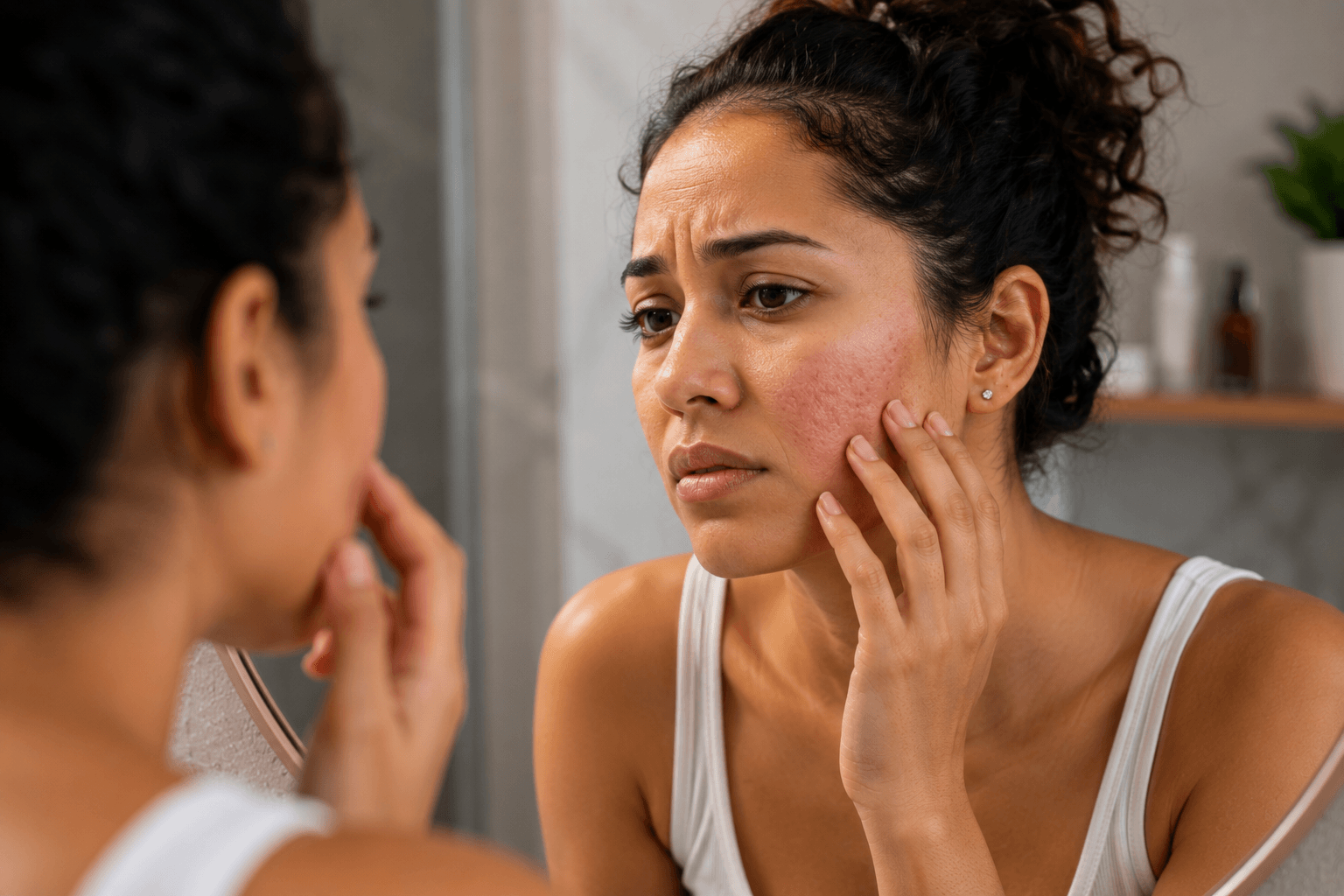
Yes, and this is one of the biggest factors. People with naturally reactive or thin skin, including those prone to redness, rosacea, or eczema flare ups, often report more sensation during treatment than someone with thicker, more resilient skin. This is not a reason to avoid microneedling altogether, but it is a reason to have an honest conversation with your provider beforehand about your skin history.
Rosacea causes blood vessels near the surface of the skin to be more reactive, which can heighten sensitivity during any treatment that involves contact or pressure. Clients with rosacea are not automatically excluded from microneedling, but a provider may adjust the needle depth, use a gentler numbing protocol, or recommend calming products beforehand to reduce discomfort and minimize flushing.
Inflamed, active breakouts are already irritated, so running a microneedling device over them can feel more intense than treating clear or scarred skin. This is one of the main reasons providers evaluate your skin at a consultation before your first session. In some cases, it may be recommended to treat active breakouts first and schedule microneedling once the skin has calmed down.
Absolutely. Some areas of the face and body are simply more nerve dense than others, which means they naturally feel more sensitive regardless of your overall pain tolerance.
The skin around the upper lip, nose, and hairline tends to be thinner and closer to bone, with a higher concentration of nerve endings. Many clients describe this area as the most noticeable part of the treatment, even if the rest of the face feels manageable.
Generally, yes. The neck, chest, and body have different skin thickness and nerve density compared to the face, so many clients find these areas more tolerable. That said, thinner-skinned areas like the neck can still feel sensitive, which is why numbing time is just as important there as it is on the face.
Needle depth is one of the most important variables in how a session feels. Shallow settings, often used for surface concerns like texture or mild sun damage, tend to feel more like a vibrating scratchiness. Deeper settings, which are typically used for acne scarring or more visible signs of aging, understandably create more sensation since they reach further into the dermis.
This is why a proper consultation matters so much. A provider trained to assess your specific skin concern, whether that is fine lines, scarring, or overall texture, can calibrate the treatment to be effective without being unnecessarily uncomfortable.
Beyond skin type and treatment area, everyday factors play a bigger role than most people realize.
Stimulants like caffeine can heighten nerve sensitivity and make you more aware of every sensation, while alcohol can thin the blood and increase the likelihood of bruising or prolonged redness. Avoiding both for at least 24 hours before your appointment is a simple way to make the experience more comfortable.
Stress activates the nervous system in ways that can genuinely amplify how pain is perceived. If you are anxious walking into your appointment, your body may be more tense and reactive than if you arrive calm and prepared. Deep breathing, arriving early, and communicating with your provider can all help ease this response.
Many people are surprised to learn that hormonal fluctuations throughout the menstrual cycle can temporarily increase skin sensitivity, particularly in the days leading up to a period. If you have flexibility in scheduling, some clients prefer to book their sessions in the first half of their cycle.
A typical appointment begins with a topical numbing cream applied to the treatment area, which is given time to take effect before the device is used. During the treatment itself, most clients describe the sensation as a vibrating, scratchy pressure rather than sharp pain. Afterward, skin typically appears flushed, similar to a mild sunburn, and this fades within a day or two for most people.
Because comfort is influenced by so many personal factors, our team takes time during consultations to talk through your skin history, current concerns, and any anxiety about the process. If you are also curious about complementary options, treatments like chemical peels or the Morpheus8 radiofrequency system are sometimes discussed as alternatives or additions depending on your goals.
Certain conditions call for caution or an alternative approach entirely, including active cold sores, open wounds, uncontrolled skin infections, or a history of keloid scarring. This is exactly why a licensed provider should always evaluate your skin before treatment rather than relying on a one size fits all approach. If you are unsure whether microneedling is right for your skin, scheduling a consultation is the best way to get a clear, personalized answer.
For most people, the answer is yes. The discomfort is temporary, generally described as mild to moderate rather than severe, and it fades quickly once the session ends. The results, including smoother texture, reduced scarring, and a more even tone, tend to outweigh the brief sensation of the treatment itself. Understanding your own skin, being upfront with your provider, and preparing properly beforehand all make a meaningful difference in how the experience feels.
Does microneedling hurt more than getting a tattoo? No, most clients describe microneedling as far less intense than a tattoo. The needles are much finer and only penetrate the surface layers of skin, and numbing cream is applied beforehand to further reduce sensation.
How long does the discomfort or redness last after treatment? Redness typically resembles a mild sunburn and fades within one to three days, though some people see it clear up even faster depending on their skin.
Can numbing cream fully eliminate pain during microneedling? Numbing cream significantly reduces sensation for most people, though some may still feel a mild scratchy or vibrating pressure, particularly in more sensitive areas like the upper lip.
Is microneedling more painful the first time compared to future sessions? Many clients report that later sessions feel more manageable simply because they know what to expect, though the actual physical sensation tends to stay fairly consistent.
Does skin thickness change with age, and does that affect pain? Yes, skin naturally thins with age due to reduced collagen production, which can sometimes make certain areas feel more sensitive during treatment.
At the end of the day, fear of the unknown is usually worse than the treatment itself. If you have specific concerns about your skin type, sensitivity, or medical history, our team in Cerritos is happy to walk you through exactly what to expect before you ever sit in the chair. Book a consultation and let's figure out the right approach for your skin together.
%201.avif)
Beauty Vault membership
100% of your membership dollars banked for your treatments. A complimentary welcome Hydrafacial or Microneedling when you join. A treatment gift certificate for someone you love.*
Compare plans & gifts ↗*Gifts vary by membership tier. Friend gift available after your third paid month for one friend or family member new to Belle Vie. Active membership required. Eligible treatments and membership terms apply. Compare plans for all gift choices.

.svg)
.svg)
.svg)
.svg)