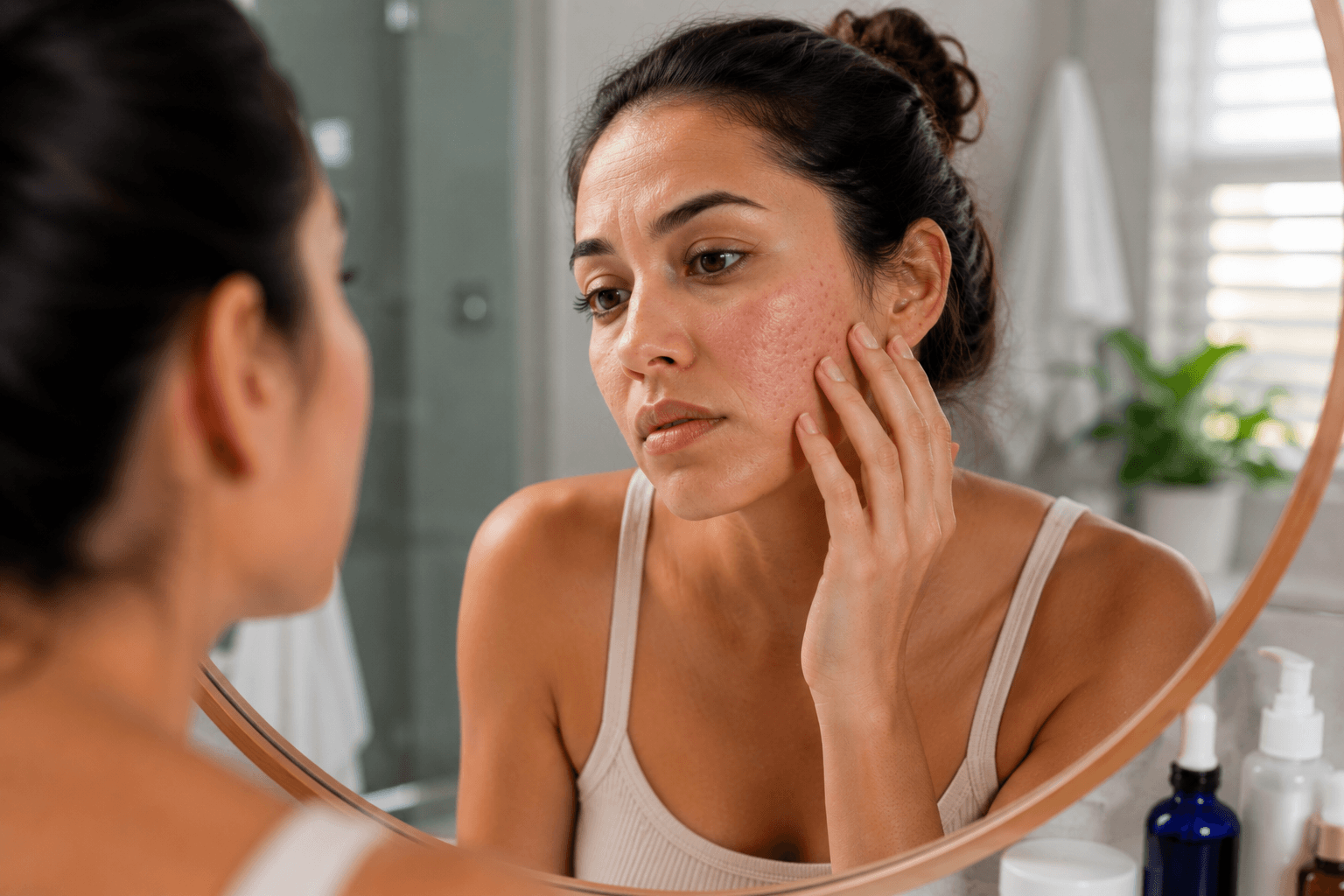
You booked the appointment, sat through the treatment, and now your skin is doing something you were not quite expecting. Maybe it is redder than you thought it would be. Maybe you are breaking out a few days later even though your skin was calm before. Maybe it is flaking in a way that feels more like healing than glowing. If you searched "microneedling aftercare" trying to figure out whether what you are seeing is normal, this guide is for you.
The truth is that no two people heal exactly the same way after microneedling, and understanding why your skin is reacting the way it is can take a lot of the anxiety out of the recovery process. Updated for August 2026, here is a closer look at the most common post-treatment reactions and what they actually mean.
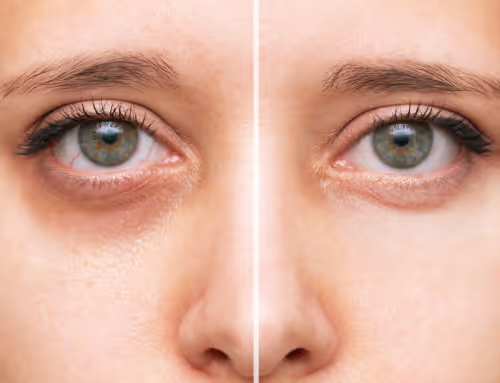
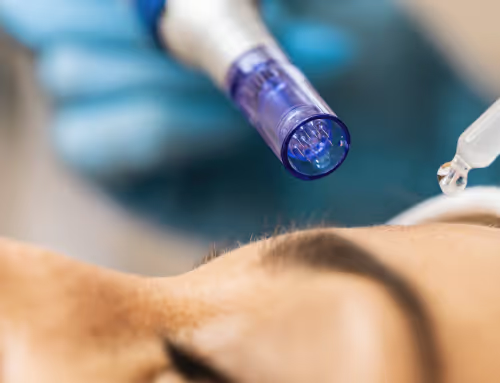
Redness immediately following microneedling is one of the most universal reactions, and it happens because the treatment creates thousands of tiny, controlled micro injuries in the skin. This triggers an inflammatory response, which is actually a good sign since inflammation is part of how the body kicks off the healing and collagen production process. Most redness resembles a mild to moderate sunburn and calms down within one to three days.
This is one of the most confusing reactions for clients who did not expect to see new breakouts appear after a treatment meant to improve their skin.
Purging happens when the increased cell turnover from microneedling pushes existing congestion and impurities to the surface faster than they normally would. This can look like small breakouts appearing in areas where you already had underlying congestion, even if it was not visible before treatment. Purging is typically short-lived and tends to resolve within a week or two as your skin completes its renewal cycle.
Purging tends to appear in your usual breakout-prone areas and resolves relatively quickly, while a reaction to a new product or aftercare item may show up as more widespread irritation, itching, or bumps in areas where you do not normally break out. If you introduced a new skincare product around the same time as your treatment, it is worth pausing that product to see if the reaction settles.
As the skin repairs itself, the outer barrier can temporarily feel more sensitive and less able to retain moisture, which often shows up as tightness or flaking a few days into recovery.
Mild peeling or flaking is common, particularly in areas where texture concerns were the main focus of treatment, since the skin is actively shedding and renewing itself. This is different from a chemical peel, where visible peeling is often more pronounced. With microneedling, flaking tends to be subtle and easily managed with gentle hydration.
A simple, fragrance-free moisturizer and a gentle hyaluronic acid serum can help support the skin barrier while it heals. Avoiding active ingredients like retinoids or exfoliating acids for at least several days after treatment gives your skin room to recover without added irritation.
Aftercare reactions are not one size fits all, and several underlying factors can explain why your recovery looks different from someone else's.
Yes, clients with naturally reactive skin, including those prone to rosacea or eczema, often experience redness that lingers slightly longer than those with more resilient skin. This is not a sign that something went wrong, it is simply how sensitive skin tends to respond to any treatment involving controlled trauma to the surface.
Skin that has recent sun exposure or an existing tan is more vulnerable to prolonged redness, uneven healing, and in some cases hyperpigmentation after microneedling. This is one of the main reasons providers recommend strict sun protection both before and after treatment.
Skin that is already dehydrated going into treatment tends to show more visible tightness and flaking afterward compared to skin that was well hydrated beforehand. Drinking enough water and using hydrating products in the days leading up to your appointment can make a noticeable difference in how your skin responds.
While every person's timeline varies slightly, a general pattern includes redness and warmth in the first 24 to 48 hours, followed by mild flaking or dryness around days three to five, with most visible reactions settling by the end of the first week. Subtle improvements in texture and glow often continue to develop over the following weeks as collagen production ramps up behind the scenes.
Most post-treatment reactions are a normal part of the healing process, but certain signs warrant a call to your provider, including excessive swelling that worsens rather than improves, signs of infection like pus or increasing warmth, or a reaction that does not improve after a week. If you are ever unsure whether what you are experiencing is expected, reaching out to the team who performed your treatment is always the right move.
At our Cerritos practice, we walk every client through a personalized aftercare plan based on their specific skin type and the depth of treatment used, whether that was standard microneedling or a combination approach involving Morpheus8. If your skin's reaction ever feels outside the range of what was explained to you, reach out to our team directly rather than searching for answers online.
Beyond understanding what your skin is doing, there are practical steps that support a smoother recovery, including keeping skin clean with a gentle, non-foaming cleanser, avoiding makeup for at least 24 hours, applying broad spectrum sunscreen daily once skin has calmed enough for product application, and steering clear of harsh exfoliants, retinoids, or active ingredients until your provider gives the go ahead.
Skin care routines that pair well with microneedling recovery often include soothing, barrier-supportive products rather than anything with strong actives. If you are unsure what products are safe to use during your specific recovery window, our estheticians can walk you through a customized routine during your skin care consultation.
Is it normal for my skin to look worse before it looks better after microneedling? Yes, temporary redness, mild breakouts, or flaking are common parts of the healing process, and most people see meaningful improvement in texture and tone once the skin completes its renewal cycle.
How long should I wait before wearing makeup after treatment? Most providers recommend waiting at least 24 hours to allow the skin's surface to begin closing and reduce the risk of irritation or infection.
Can I exercise or sweat right after microneedling? It is generally best to avoid intense exercise and excessive sweating for about 24 to 48 hours, since sweat can irritate freshly treated skin.
Why does my skin feel warm for a day or two after treatment? Warmth is part of the inflammatory response your body uses to kick start the healing and collagen building process, and it typically fades within a couple of days.
What if my breakouts do not go away after a week? If breakouts persist beyond a week or seem to be worsening rather than improving, it is worth checking in with your provider to rule out a reaction to a product or an unrelated skin issue.
Your skin is not misbehaving, it is healing, and every redness, flake, and tiny breakout is part of a process working in your favor. Knowing what to expect takes the guesswork out of recovery and helps you trust the process instead of panicking over it. If you are in Cerritos and want a personalized aftercare plan built around your exact skin type, contact our team and we will walk you through it step by step.
%201.avif)
BeautyVault membership
100% of your membership dollars banked for your treatments. A complimentary welcome Hydrafacial or Microneedling when you join. A treatment gift certificate for someone you love.*
Compare plans & gifts ↗*Gifts vary by membership tier. Friend gift available after your third paid month for one friend or family member new to Belle Vie. Active membership required. Eligible treatments and membership terms apply. Compare plans for all gift choices.

.svg)
.svg)
.svg)
.svg)